
Advanced tendon care
Percutaneous Electrolysis Therapy (EPTE)
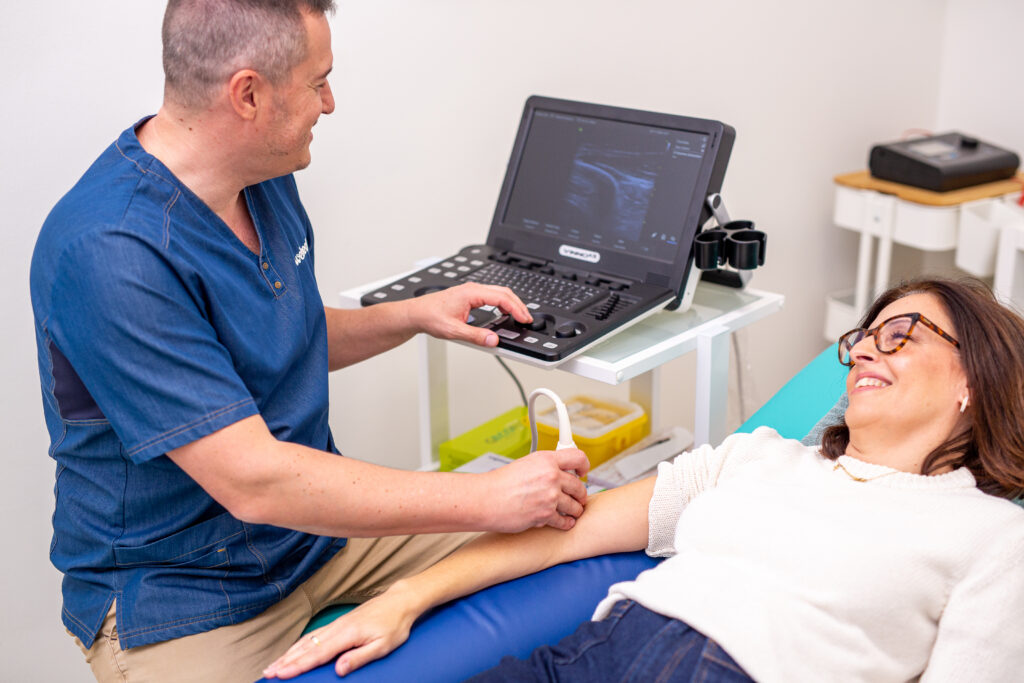
EPTE is an advanced, ultrasound-guided technique for tendinopathies and chronic soft-tissue injuries. By applying a controlled galvanic microcurrent through a fine needle, it triggers a gentle, localised inflammatory response — the key signal that reactivates natural tissue regeneration. The procedure is quick, precise and well tolerated, helping restore tendon health and function in less time than conventional approaches.
What it is and how it works
Under ultrasound guidance, a fine acupuncture-type needle is introduced into the portion of the tendon or soft tissue that shows degenerative changes. A low-intensity galvanic current is applied to create a controlled electrochemical reaction that reactivates the body’s self-repair mechanisms.
This targeted stimulus promotes the reorganisation of collagen fibres and improves tendon structure and capacity for load — without unnecessary trauma.
Dosing (intensity, time and frequency) is individualised according to your presentation and tolerance. We integrate EPTE with exercise therapy, graded loading and education so that improvements become meaningful in daily life and sport.
Good to know: The technique is minimally invasive and usually well tolerated. A brief, local sensation is common and fades quickly after the application.
Therapeutic effects
Tissue regeneration
Pain & inflammation
Integration with rehab
Clinical indications
Shoulder & elbow
Knee & ankle
Sport & soft tissue
Contraindications
EPTE should be avoided or adapted in the following situations:
At Weheal: we always explain benefits, risks and alternatives so you can make an informed decision with complete confidence.

Safety & professional guidance
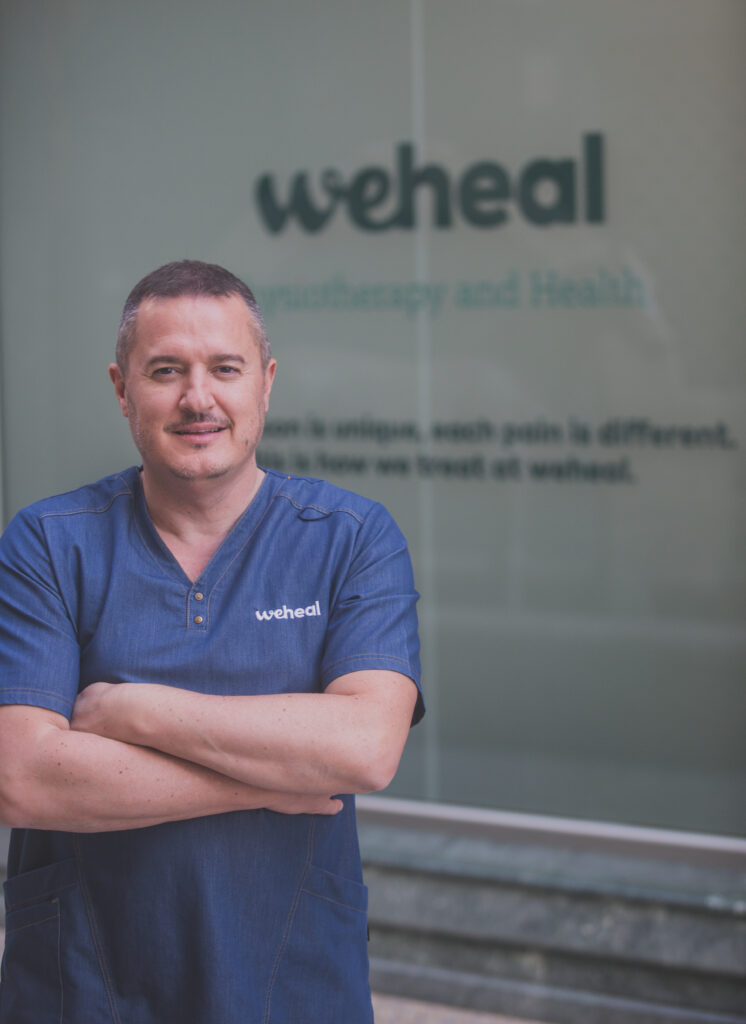
EPTE is a precise, evidence-based technique performed with sterile material and continuous ultrasound guidance. Our priority is accuracy, safety and comfort at every step.
We tailor parameters to your goals and re-assess each session to fine-tune the plan. When indicated, we combine EPTE with exercise, manual therapy and load management for a complete, sustainable recovery.
Percutaneous Electrolysis Therapy (EPTE) — FAQs
Answers to common questions about EPTE at Weheal: how it works, when we use it and how it integrates with your rehabilitation plan.