
Advanced technology
Percutaneous Neuromodulation
Percutaneous neuromodulation is an advanced, ultrasound-guided technique that uses fine needles connected to an electrotherapy device to stimulate specific nerves. Its goal is to modulate neural activity, reduce pain and improve muscle function in a precise and well-tolerated way.
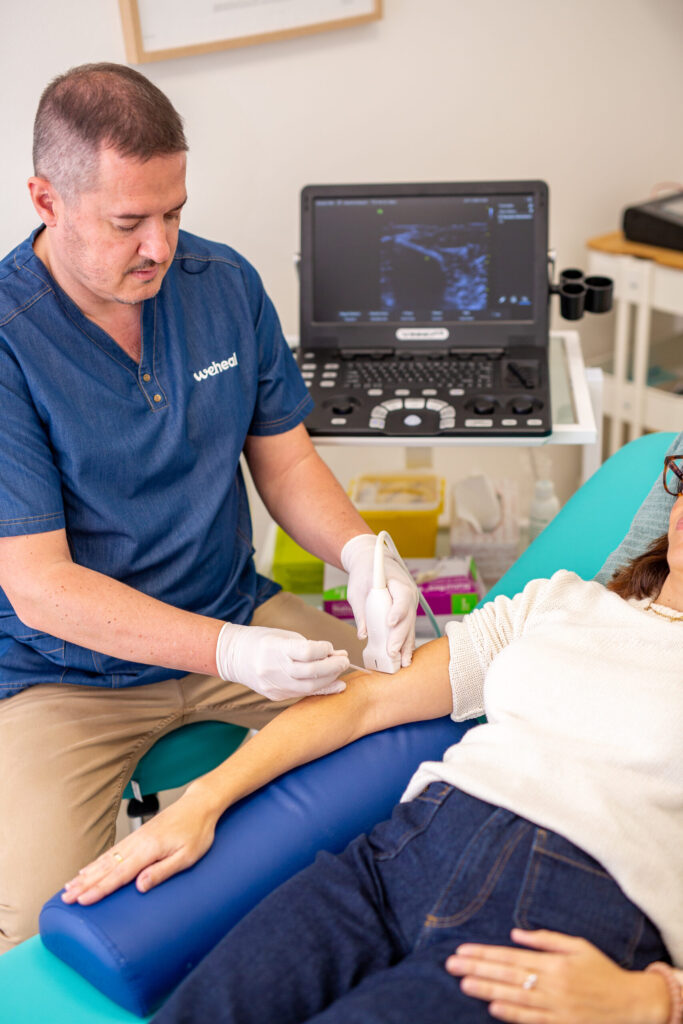
What it is and how it works
Guided by ultrasound, a fine needle is placed close to a peripheral nerve or at a muscle motor point. Short, controlled electrical impulses are delivered to modulate neural excitability and facilitate a more efficient, coordinated muscle response.
This targeted approach allows brief movement practice immediately after the stimulation, helping the new pattern “stick” while symptoms settle.
Dosing is individualised: intensity, frequency and duration depend on your presentation and tolerance. We integrate education, graded loading and simple home strategies so improvements translate to daily life and sport.
Good to know: Sensations are usually mild (a tap, twitch or dull ache) and fade quickly after the dose.
Therapeutic effects
Neural modulation
Motor control
Rehab integration
Clinical indications
Musculoskeletal pain
Motor inhibition
Neuropathic features
Safety & contraindications
We screen carefully for suitability. The technique is performed with sterile material and continuous ultrasound guidance. Typical transient effects may include a brief twitch response or mild post-session soreness.
We avoid or adapt in cases such as implanted electronic devices, non-optimised anticoagulation or bleeding disorders, local infection, unhealed wounds, pregnancy over certain regions, or when you prefer a non-needle approach.
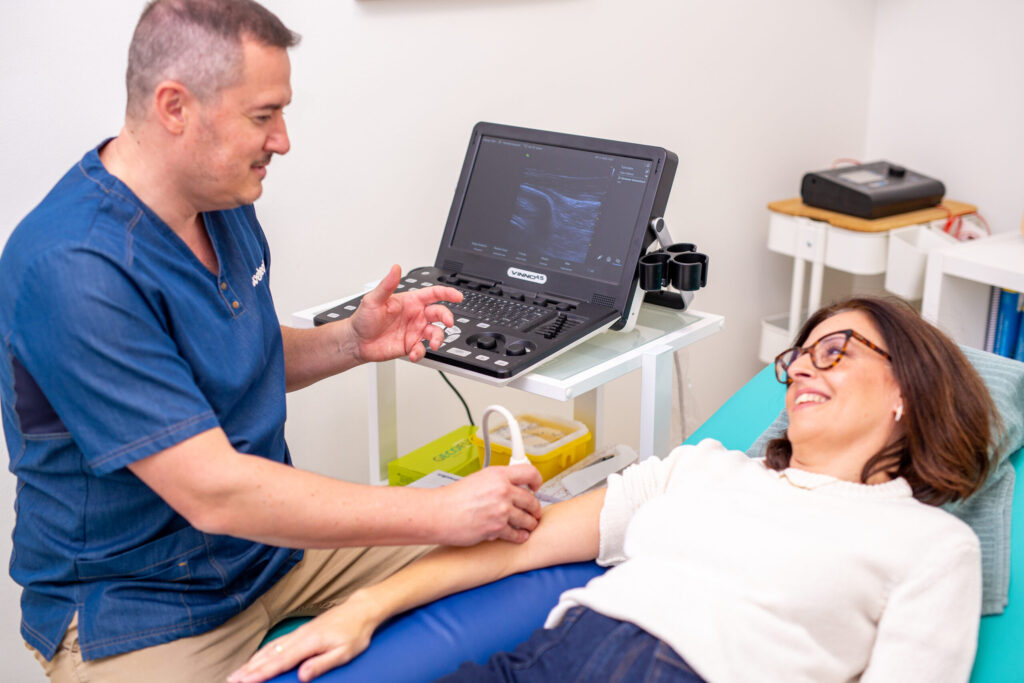
What a session looks like
Percutaneous Neuromodulation — FAQs
Here we answer the most common questions about ultrasound-guided percutaneous neuromodulation at Weheal.