Rehabilitation after Surgery & Injuries

From hospital or injury back to your everyday life. Physiotherapy and movement-based rehab tailored to your surgery, your body and your goals.

Meet Your Physiotherapist

Víctor Morano

MSc Physiotherapy | Pain Specialist

Whether you have had a joint replacement, ligament surgery, a fracture or a soft tissue injury, recovery does not end when you leave the hospital or remove a cast. At Weheal we guide you through the next phase: regaining strength, mobility and confidence step by step, with a clear plan and close follow-up.
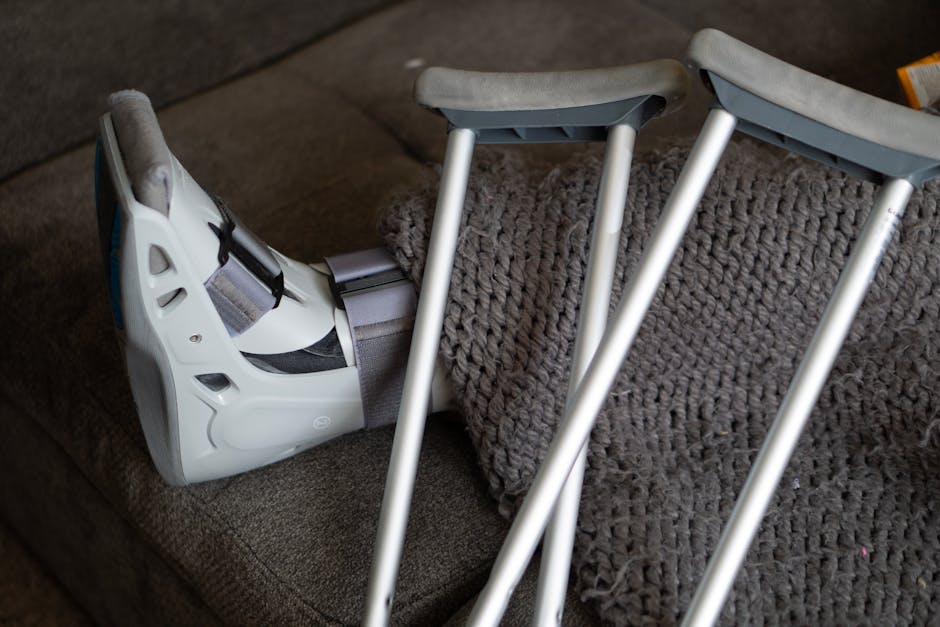
Suitable after knee or hip replacement, ligament surgery, fractures, arthroscopies, tendon injuries and other orthopaedic procedures.
Close-up of an orthopedic boot and crutches on a couch, symbolizing injury recovery at home.

Who is this rehabilitation program for?

For people who want more than just “rest and wait”. For those who want an active, guided recovery.

After joint replacement (knee, hip, shoulder) to restore strength, mobility and confidence in walking and daily activities.
After ligament or meniscus surgery (knee, ankle, shoulder) to safely return to sport or active life.
After fractures and immobilisation to recover range of motion, rebuild muscle and relearn normal movement patterns.
After muscle or tendon injuries to avoid repeated strains and to regain trust in the injured area.
After spinal surgery (lumbar or cervical) to gradually return to functional activities with clear guidelines.
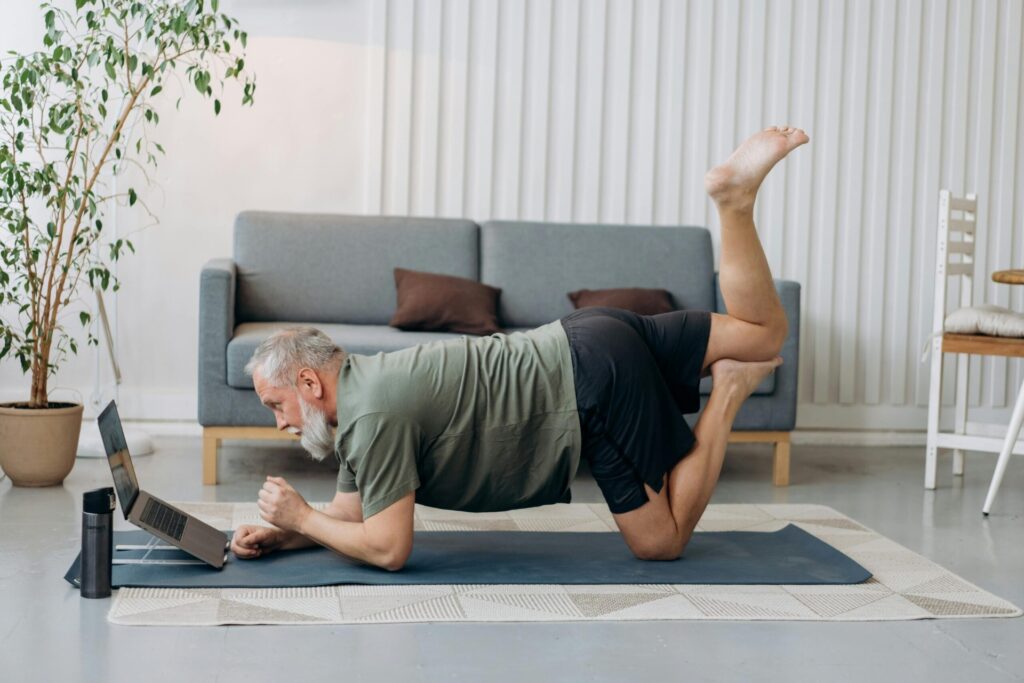
Patient performing rehabilitation exercises under physiotherapist supervision

What we focus on
Understanding what your surgery or injury involved and what your surgeon’s recommendations are.
Reducing pain where possible and, above all, restoring mobility and functional strength.
Designing a progression that makes sense for your current stage and your goals (walking, stairs, work, sport…).
Putting you back in the driver’s seat of your recovery, with tools you can continue using outside the clinic.
image
Our Approach

How does rehabilitation after surgery & injuries work at Weheal?

A structured process in phases, always adapted to your specific case.

Initial assessment

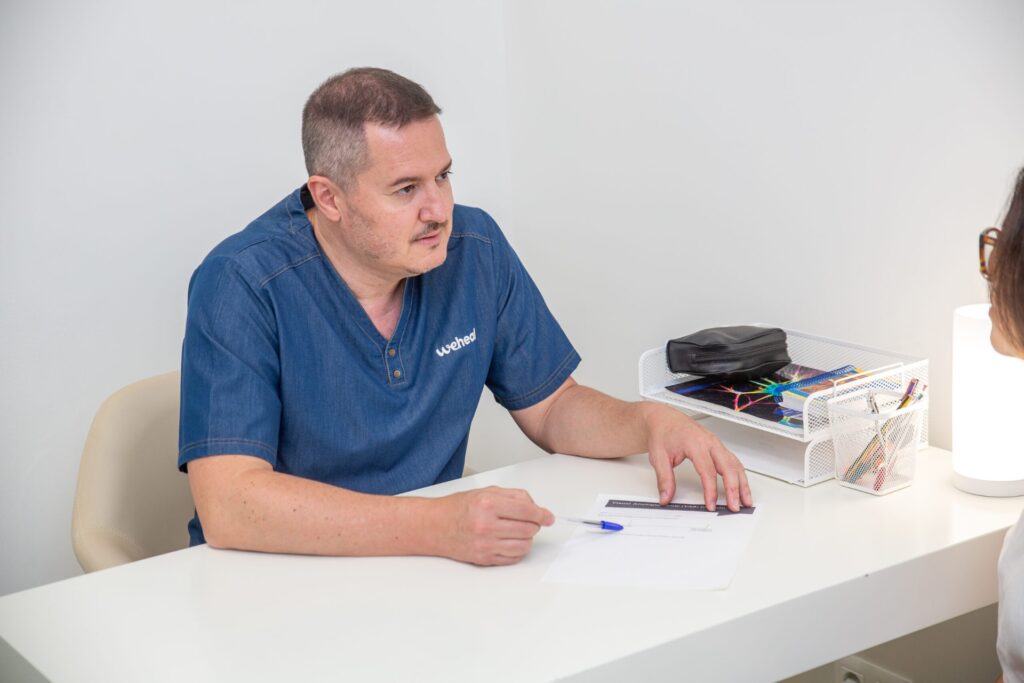
We review your medical reports, surgical notes (if available) and current recommendations. We assess pain, swelling, range of motion, strength and how you move in basic tasks such as walking, standing up, stairs or using your arm.

Early protection & movement

We respect healing times while introducing safe, gentle movement and activation. The aim is to reduce stiffness, guide swelling and start reconnecting with the operated or injured area without fear but with clear limits.

Strength & control

We progressively build strength and control around the affected area and the rest of the body. Exercises become more demanding, but always within what your tissue and your nervous system can tolerate at that moment.

Function & daily activities

We focus on what you actually need: walking longer distances, climbing stairs, lifting, squatting, reaching overhead, getting up from the floor… We train these movements explicitly and with context.

Return to work or sport

When appropriate, we prepare you for specific physical demands: work tasks, hobbies and sports. This includes impact, changes of direction, speed or load—always with a clear, progressive plan.

Long-term maintenance

We help you design a realistic maintenance plan so the gains from rehab are not lost over time. This may include simple home routines, gym guidance or periodic check-ins.

Movement first, plus technology when it helps

Exercise and graded exposure are at the centre. Technology is there to support the process, not to replace it.

Your rehabilitation will always be built around movement and exercise: mobility work, strength training, balance and functional tasks. This is what drives most of the meaningful change after surgery or injury.

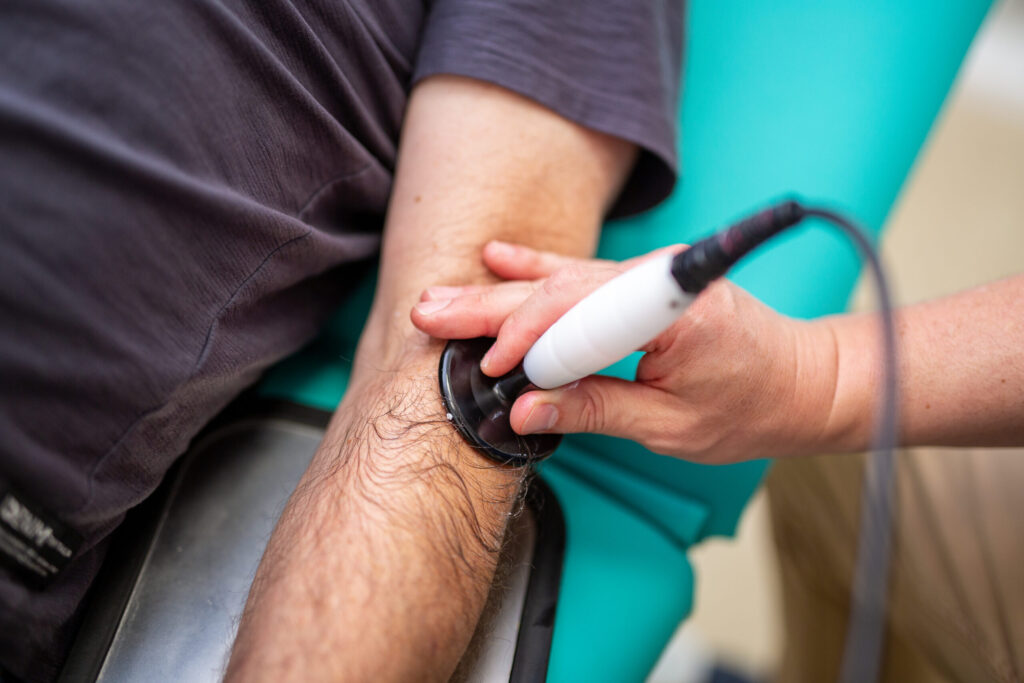
In some cases, we may also use tools such as a super inductive system (SIS), diathermy, neuromodulation or ultrasound. These options can help with pain modulation, early-stage activation and comfort, especially when starting to move is difficult.

How we use these tools
To support early phases when pain, swelling or fear of movement are very high.
To complement—not replace—exercise, education and progressive loading.
Always with a clear explanation of why we use them and what we expect from them.
image
Image
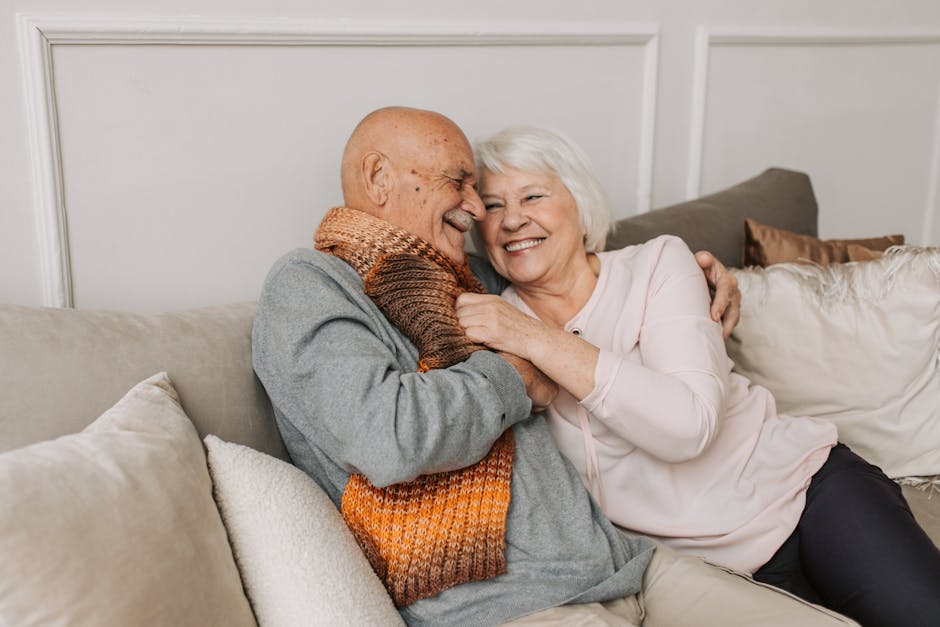
Happy elderly couple embraced in a cozy home setting, sharing joyful smiles.
image

What can you expect from a good rehabilitation process?

More mobility in the operated or injured area and in the rest of the body.
More strength and stability for walking, stairs, lifting and other functional tasks.
Less fear of movement and a clearer idea of what you can and cannot do at each stage.
Better planning for returning to work, hobbies or sport in a structured way.
A sense of progress that is not only measured in pain, but also in recovery of capacity and confidence.

Our rehabilitation philosophy

We do not believe in miracle treatments or passive rehab where you just lie on a table. Recovery after surgery or injury is a process in which your participation matters—and our job is to guide you, not to replace you.

We will explain why certain movements may hurt at first, when it is a normal part of the process and when we need to adjust. We will help you find the balance between protecting the operated or injured area and gradually demanding more from it, so that it can adapt and become more robust over time.

The goal is that you understand your rehab plan, feel safe progressing and leave the process not only “recovered”, but also better prepared to look after your body in the future.

Image

Frequently asked questions about post-surgical & injury rehab

Common Questions About Your Recovery Journey

Ready to give your recovery the structure it deserves?

If you are recovering from surgery or a recent injury and feel that “resting” is not enough, a guided rehabilitation plan can make the difference. We will assess your situation, explain the next steps and build a plan that makes sense for you.

Scroll to Top